Quelimane, Mozambique puts urban resilience into practice with a new DRR action plan
As climate change intensifies, cities in Mozambique are increasingly vulnerable to disasters, underscoring the urgent need for resilience-focused urban planning and investment. Quelimane, a coastal city in Mozambique’s Zambezia Province, is highly exposed to meteorological hazards due to its low-lying geography. The city has faced repeated threats from tropical cyclones, floods, droughts, and storm surges. Unfortunately, urban planning and development have often given little consideration to the consequences of hazards such as hydro-meteorological risks and other threats, and often, is difficult to implement because of a lack of financial planning.
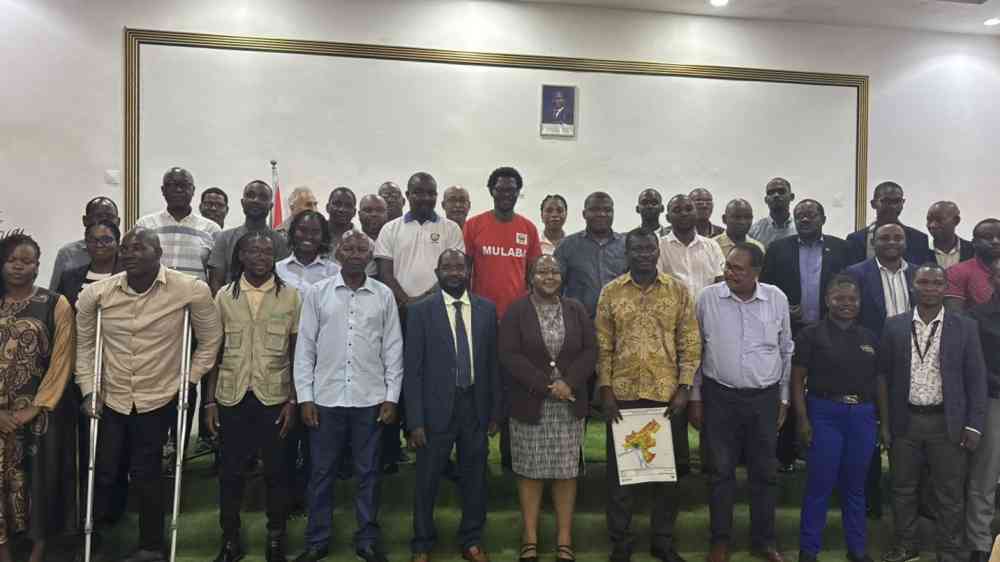
To address these technical and financial gaps in Mozambique’s urban DRR planning, the United Nations Office for Disaster Risk Reduction (UNDRR), in collaboration with the Municipality of Quelimane, organised an event to integrate technical DRR needs into municipal planning for Quelimane, a major seaport city in Mozambique’s central region. Held from 16 to 18 March 2026, this event brought together municipal leaders, technical experts, and partners to use assessment tools from the Making Cities Resilience 2030 (MCR2030) initiative to identify technical anchors for developing an Action Plan to inform a consequent financing pathway tailored to Quelimane.
The event was funded by the Deutsche Gesellschaft für Internationale Zusammenarbeit (GIZ) under the Resilience Initiative Africa project. The project is strengthening the resilience of African communities against disaster risks and the impacts of climate change. The workshop was timely and beneficial to Quelimane, following a launch of €20 million climate-resilient urban development project by German and Dutch Ambassadors as part of the ZamVisão strategic framework. The project is expected to strengthen Quelimane’s climate defenses.

Participants explored MCR2030’s comprehensive risk management approach, applying the MCR2030 Disaster Resilience Scorecard for Cities to assess Quelimane’s disaster readiness and identify priority areas for improvement. They used the MCR2030 financing Alignment Matrix and Roadmap to develop timelines, responsibilities, partnerships, milestones and monitoring aligned with resilience criteria. Sessions during the event highlighted the importance of stakeholder engagement and making commitments to gender and community inclusion.
By the conclusion of the event, participants had developed a draft DRR Action Plan based on the technical, institutional, governance and financial gaps identified from the completed Disaster Resilience Scorecard assessment. These measures included plans to draft a Municipal Decree that will enshrine urban resilience initiatives in local law; a commitment to develop a unified digital platform for data interoperability; and the development of a 12-month financing roadmap for the municipality.
This collaboration between UNDRR and the Municipality of Quelimane represents an important step in strengthening urban resilience in Mozambique, aligned to UNDRR’s strategic commitment to localization. The DRR action plan will help to embed resilience at the heart of urban development. The outcomes reflect a shared determination to protect lives, empower communities, and ensure that resilience becomes a cornerstone of sustainable development in Quelimane and across Mozambique.
“Our goal is, in fact, to transform our cities, our high-rises, into resilient spaces capable of resisting climate shocks, protecting lives and infrastructure. Once again, I would like to express thanks to the UN Office for Disaster Risk Reduction for their support, and to all the participants who were here today.”
- Honourable Manuel de Araújo, Mayor of Quelimane