Ghana strengthens risk-informed urban resilience
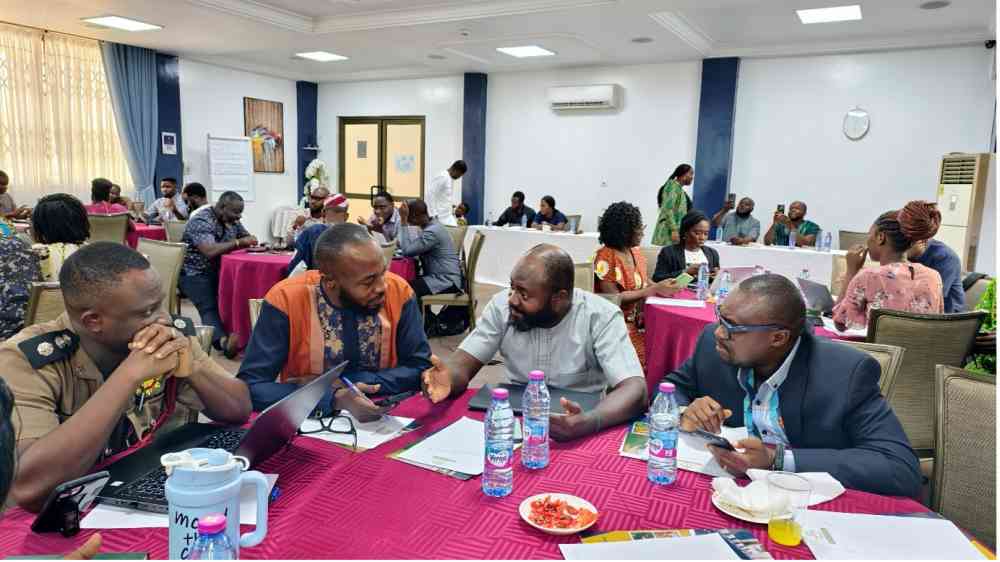
Participants jointly review the Terms of Reference and 2026–2030 Action Plan for Ghana’s National Platform for DRR and Climate Change Risk Management. Photo credit: UNDRR Regional Office for Africa.
As climate change, rapid urbanisation, and environmental degradation intensify disaster risks across Ghana, the need for coordinated, risk-informed development has never been more urgent. In October 2025, two milestones in Accra demonstrated how local evidence can shape national resilience governance, and how national coordination can, empower cities to act.
Building resilience where risk is felt most: Ablekuma Central
On 27–28 October 2025, more than 50 participants gathered in Accra for a workshop on urban risk-informed development planning and resilience in Ablekuma Central Municipal Assembly. The workshop brought together municipal officials, representatives from the National Disaster Management Organization (NADMO) at local and national levels, civil society organisations, youth leaders, traditional authorities, and development partners.
Participants applied the Disaster Resilience Scorecard for Cities to establish a baseline understanding of Ablekuma Central’s resilience. The assessment revealed that while basic disaster risk management plans, legal frameworks, and institutional focal points exist, resilience actions remain fragmented and weakly coordinated across sectors.
Discussions revealed that disaster risk in the municipality stems less from the absence of policies than from limited implementation capacity, limited data sharing, and inadequate financing. Risk information is rarely integrated into spatial planning or investment decisions, and hazard assessments remain largely single-hazard and episodic.
Despite these gaps, participants identified strong entry points for strengthening resilience, including community awareness initiatives and NADMO’s emergency response coordination. These findings informed the development of a draft Disaster Risk Reduction (DRR) Action Plan, prioritising the establishment of a municipal coordination platform, institutionalised multi-hazard risk assessments, dedicated DRR financing mechanisms, and stronger enforcement of building codes and land-use planning.
Closing the workshop, Hon. Frank Nkansah, Municipal Chief Executive of Ablekuma Central, emphasised accountability and follow-through
This will not be a talk show. We will make sure that the outcomes of this workshop inform our planning, budgeting, and community engagement efforts
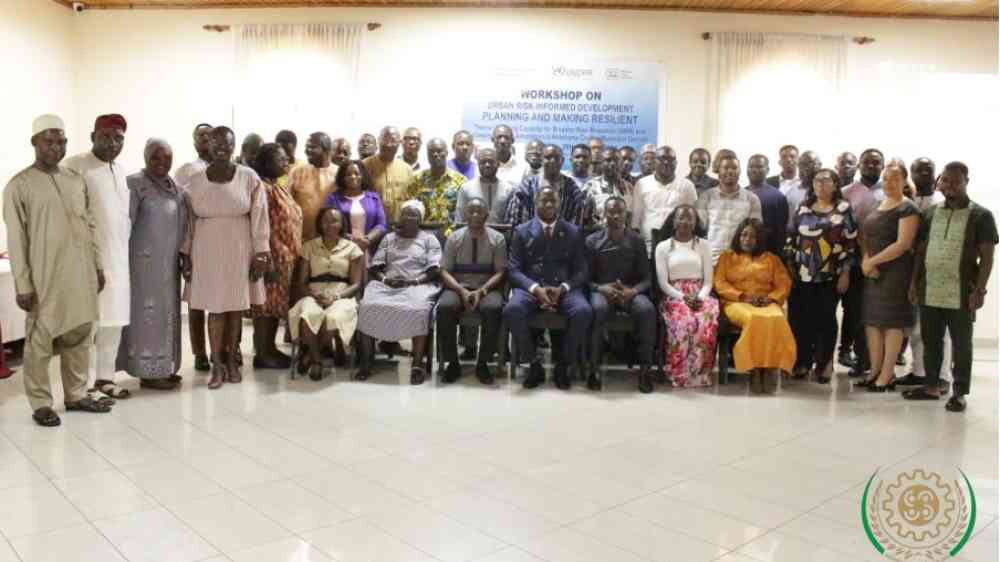
Participants from government, civil society, and development partners during the Urban Risk-Informed Development Planning workshop in Ablekuma Central, Accra. Photo credit: Ablekuma Central Municipal Assembly.
Strengthening vertical integration through Ghana’s National Platform
From 29–31 October 2025, Ghana further strengthened coordination at the national level with the relaunch of the National Platform for Disaster Risk Reduction and Climate Change Risk Management. Convened by the Ministry of the Interior and co-organized by NADMO and UNDRR, the national platform brought together government ministries, agencies, local authorities, development partners, civil society, academia, and the private sector.
The relaunch re-established the National Platform as Ghana’s central coordination mechanism for aligning disaster risk reduction, climate change adaptation, and development planning.
For UNDRR, the relaunch marked a shift from commitment to implementation. Isabel Njihia, Programme Management Officer for Risk Governance at UNDRR, emphasised its significance
“This is not just another event on the calendar. It is a signal that Ghana is ready to move from commitment to coordination, from coordination to coherence, and from coherence to impact on the ground
Linking local realities with national priorities
A defining feature of the National Platform relaunch was the presentation of findings from the Ablekuma Central Disaster Resilience Scorecard. By grounding national discussions in municipal-level evidence, the platform created a structured opportunity for national actors to engage directly with local risk and capacity gaps.
Building on this evidence, the National Platform’s 2026–2030 Action Plan prioritises national support to sub-national authorities. Planned actions include the establishment of local resilience coordination mechanisms within Metropolitan, Municipal, and District Assemblies, standardised data-sharing protocols, and the integration of DRR and climate risk considerations into District Medium-Term Development Plans.
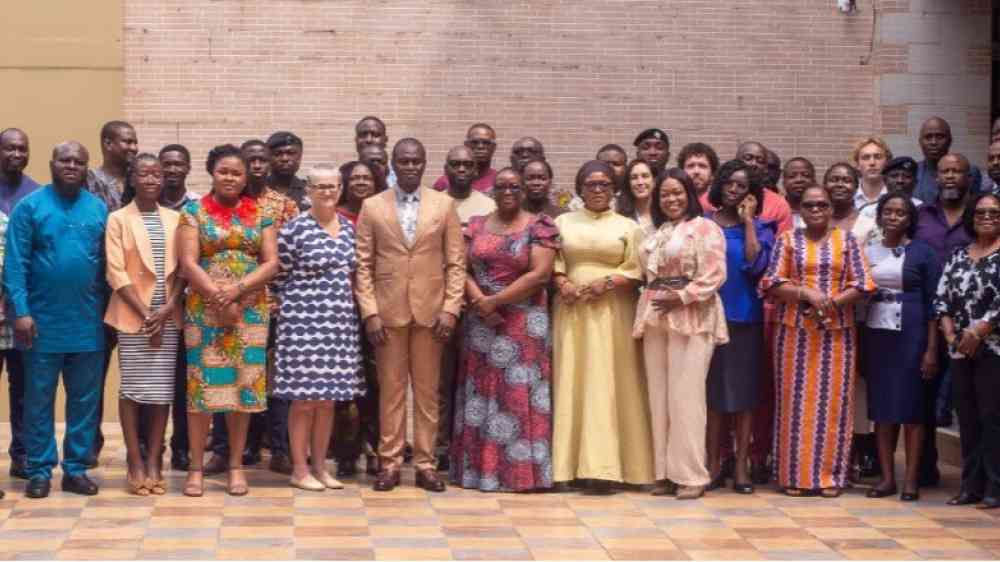
Government ministries, local authorities, and partners convene for the relaunch of Ghana’s National Platform for Disaster Risk Reduction and Climate Change Risk Management in Accra. Photo credit: NADMO.
A two-way governance architecture for resilience
By linking municipal risk realities with national policy, financing, and technical guidance, Ghana is strengthening vertical integration across levels of government. National strategies are becoming more grounded in local contexts, while cities are gaining clearer pathways to translate policy into action.
Closing the Platform meeting, NADMO leadership highlighted the importance of sustained commitment:
“Launching this platform is not the end. Its real strength will come from the daily commitment of its members, how we share data, how we coordinate, and how we hold each other accountable.”
Together, the Ablekuma Central workshop and the National Platform relaunch illustrate a shift toward a systemic, risk-informed, and development-aligned approach to urban resilience, one where local evidence informs national priorities, and national frameworks empower cities to act.