
From forecasts to action: UNDRR and Switzerland convene Europe-wide dialogue on extreme heat resilience

Geneva, Switzerland, 16 October 2026 – As Europe emerges from one of its most challenging summers on record, more than 60 representatives from local and national governments, European institutions, academia, civil society, the private sector and United Nations agencies gathered in Geneva to confront a growing reality: extreme heat is no longer an exceptional weather event, but a systemic risk demanding coordinated action across all levels of society.
The event, "Facing Extreme Heat in Europe: Reviewing Summer 2026 – Preparing for Summer 2027 and Beyond," was opened by Anna Ifkovits Horner, Deputy Permanent Representative of Switzerland to the United Nations Office and to the other international organisations in Geneva and Head of the Host State Division at the Swiss Mission, and Kamal Kishore, Special Representative of the Secretary-General for Disaster Risk Reduction and Head of the United Nations Office for Disaster Risk Reduction (UNDRR). Supported by the Swiss Federal Government, the event was organized as part of the International Day for Disaster Risk Reduction (IDDRR) 2026 events under the theme: Resilience Starts at home. The event underscored the growing recognition that extreme heat is no longer simply a seasonal hazard but a development, public health and economic challenge requiring coordinated action across all levels of governance.
Held in a hybrid format, the workshop brought together around 60 participants in person and more than 20 participants online to review lessons from the unprecedented 2026 heat season, identify priorities for the coming summer, and explore longer-term measures that can protect lives, livelihoods and critical systems from escalating heat risks. The discussions will help inform future regional engagement, including preparations for COP31 and the 2027 Regional Platform for Disaster Risk Reduction.
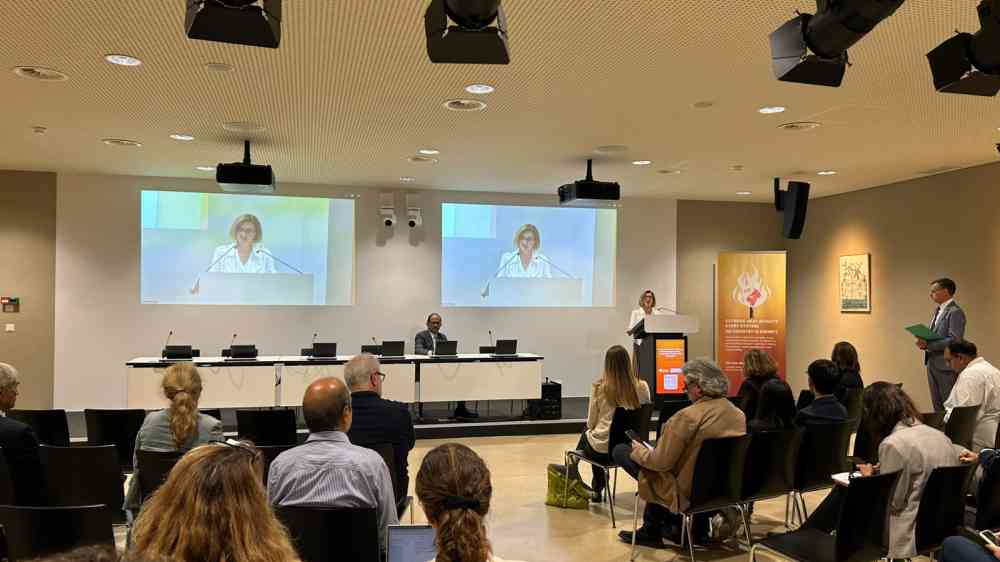
Opening the event, participants underscored that the summer of 2026 should be seen as a warning of the future Europe must prepare for. The event convened a diverse group of stakeholders, including national and local authorities, mayors and city officials from four MCR2030 Resilience Hubs, European and regional organizations, UN entities, and academia, reflecting the whole-of-society approach needed to address extreme heat. Successive heatwaves brought record temperatures across much of the continent, exposing vulnerabilities in health systems, infrastructure, transport, energy, water management and urban planning. As Europe continues to warm faster than the global average, participants agreed that preventing avoidable heat-related deaths must become a central objective of resilience efforts.
Throughout the day, city representatives shared practical examples of how local authorities have responded to increasing heat risks. From cooling centers and shaded public spaces to targeted outreach for vulnerable populations, participants highlighted measures already being implemented across Europe. Yet many speakers stressed that preparedness efforts must go beyond emergency response.
"We cannot air-condition our way out of this," participants noted during discussions on long-term resilience, emphasizing that sustainable solutions require cooler buildings, expanded urban greening, improved public spaces and infrastructure designed to withstand increasingly extreme temperatures.
A recurring theme was the need to move from forecasting to action. While Europe has significantly improved weather forecasting and early warning capabilities, participants emphasized that warnings alone are insufficient unless they trigger clear and coordinated responses.
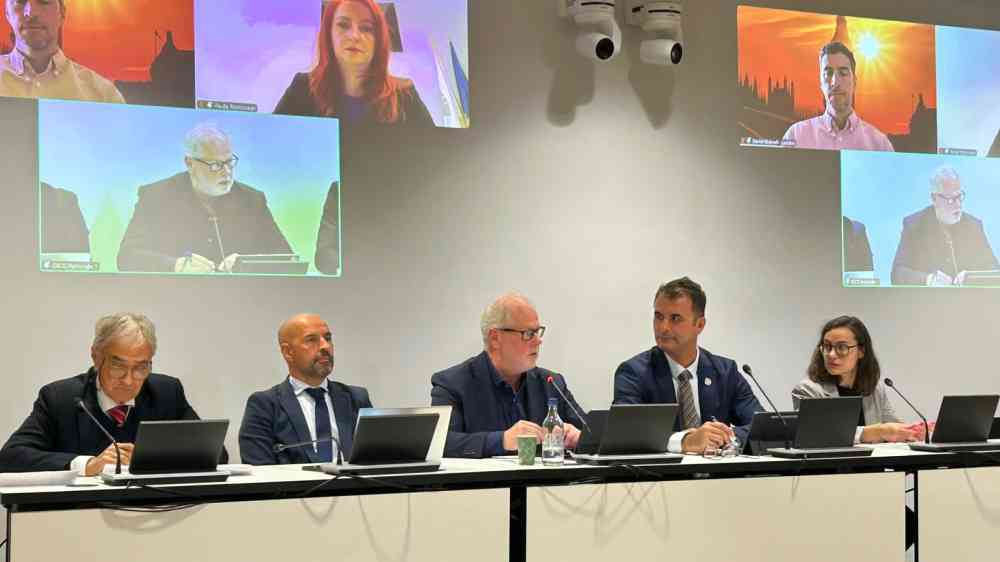
As Wolfgang Philipp from the European Commission Directorate-General for Health and Food Safety (DG SANTE) observed, "Heat waves and extreme heat are affecting everyone, but they are nobody's responsibility." His remarks resonated strongly with participants and highlighted a key challenge facing many countries: the need for clearly defined responsibilities and governance arrangements to ensure heat risks are systematically addressed across sectors.
The workshop also explored the economic dimensions of extreme heat. Beyond impacts on public health, participants discussed growing costs associated with productivity losses, infrastructure disruption, energy demand and pressure on public services. During the panel discussion, Paolo Garonna from Le Assicurazioni di Roma (Rome Insurance Company); and LUISS Guido Carli University of Rome called for a shift in perspective, arguing that "we should move the focus from vulnerability to insurability," highlighting the potential role of risk financing and insurance mechanisms in strengthening resilience.
A central message emerging from the discussions was that resilience must be both inclusive and evidence-based. Participants stressed the importance of identifying who is most exposed to heat risk, understanding which populations remain underserved by existing measures, and ensuring that interventions are designed around people's actual needs rather than assumptions. The afternoon featured interactive breakout sessions, including world café-style group discussion and a heat stress-testing exercise titled "48 Hours Under the Sun", which challenged participants to respond collectively to a fictional but realistic extreme heat emergency.

The exercise reinforced the value of advanced planning, clearly defined roles and stronger cooperation across levels of governance. Participants identified practical measures that could be implemented before summer 2027 while also highlighting structural gaps requiring sustained investment over the coming years.
Discussions also highlighted the importance of financing. Participants emphasized that while local governments are often on the front lines of heat action, they require stronger support from national authorities and development partners. Existing public budgets, public-private partnerships, insurance mechanisms and economic assessments of heat-related losses were identified as critical tools for scaling resilience efforts.
Closing the event, participants agreed that Europe possesses many of the solutions needed to reduce heat risks, but greater urgency is required to accelerate implementation. Looking ahead, the priority is to transform lessons from the summer of 2026 into concrete actions for the summer of 2027, while advancing the longer-term investments needed to make cities, infrastructure and essential services resilient to a hotter future. Participants emphasized that success should ultimately be measured not by the number of plans produced, but by the lives protected and the communities made safer in the years ahead.