
Strong local engagement and collaboration at the Europe & Central Asia Regional Forum for Disaster Risk Reduction (EFDRR)
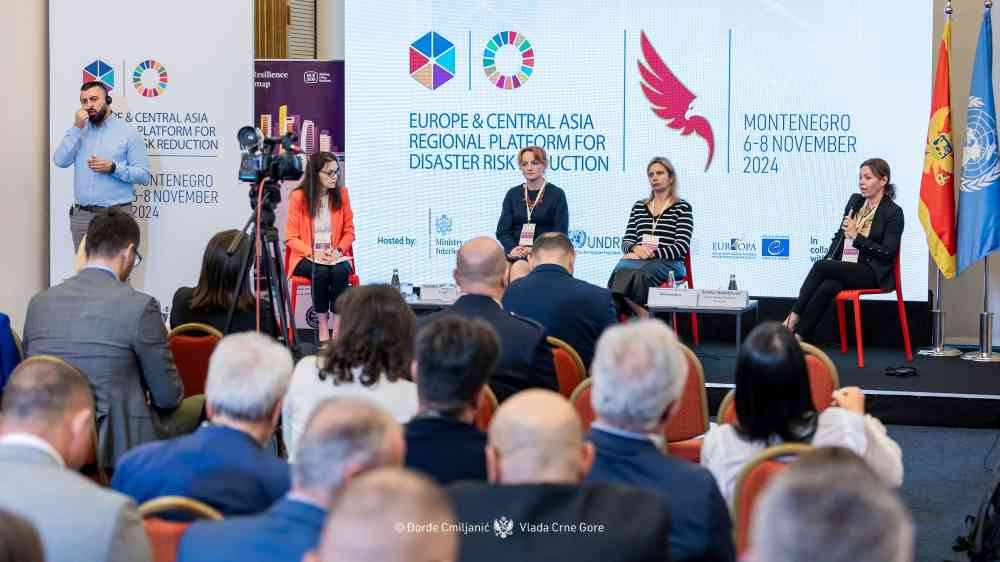
The Europe and Central Asia Regional Platform for Disaster Risk Reduction (EFDRR) hosted a series of events highlighting innovative urban resilience strategies and showcasing the dedication of cities and partners committed to creating resilient, climate-adaptive communities.
The EFDRR brought together five MCR2030 Resilience Hubs - Amadora, Greater Manchester, Lviv, Matosinhos, and the Province of Potenza - whose active participation underscored local leadership in disaster risk reduction (DRR). These cities, along with MCR2030 partners such as UNDP, ICLEI, and Resilient Cities Catalyst, engaged in robust discussions on advancing urban resilience and tackling climate challenges.
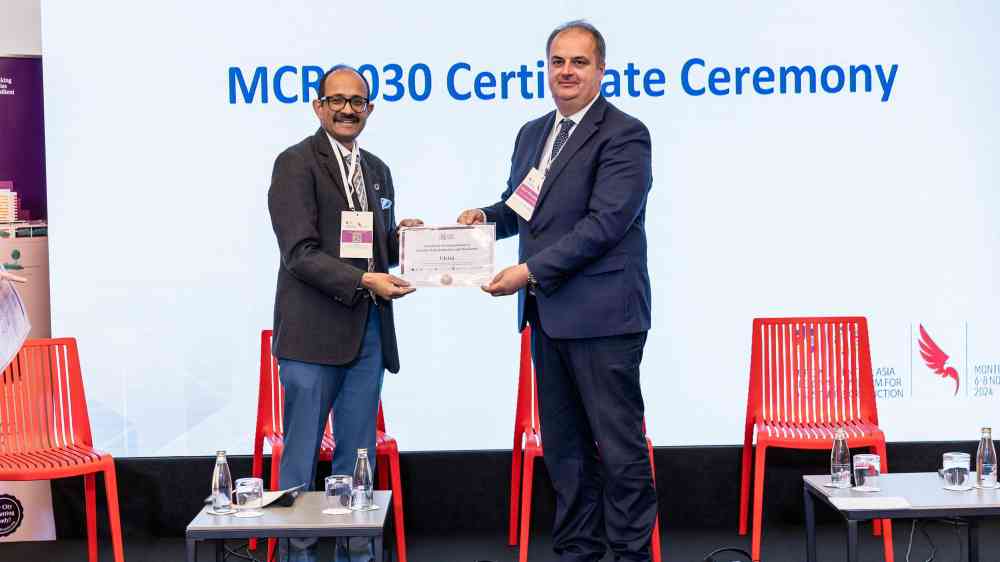
Key Highlights from EFDRR
MCR2030 Regional Coordinating Committee (RCC) Meeting: In a hybrid session, RCC members, Resilience Hubs, and partners exchanged insights and updates on advancing urban resilience and DRR across Europe and Central Asia. The discussions underscored a shared commitment to helping cities adapt to emerging risks and promote local collaboration for resilience.
MCR2030 Panel on Climate Emergency & Resilience Finance: This high-impact panel explored the critical issues of urban heat resilience and the role of innovative financing in resilience efforts. Key themes included inclusive approaches to heat resilience, support for vulnerable groups, and strategic financing mechanisms to address climate-related challenges. By focusing on resilience finance and governance, participants highlighted actionable pathways to fund and sustain resilience efforts.
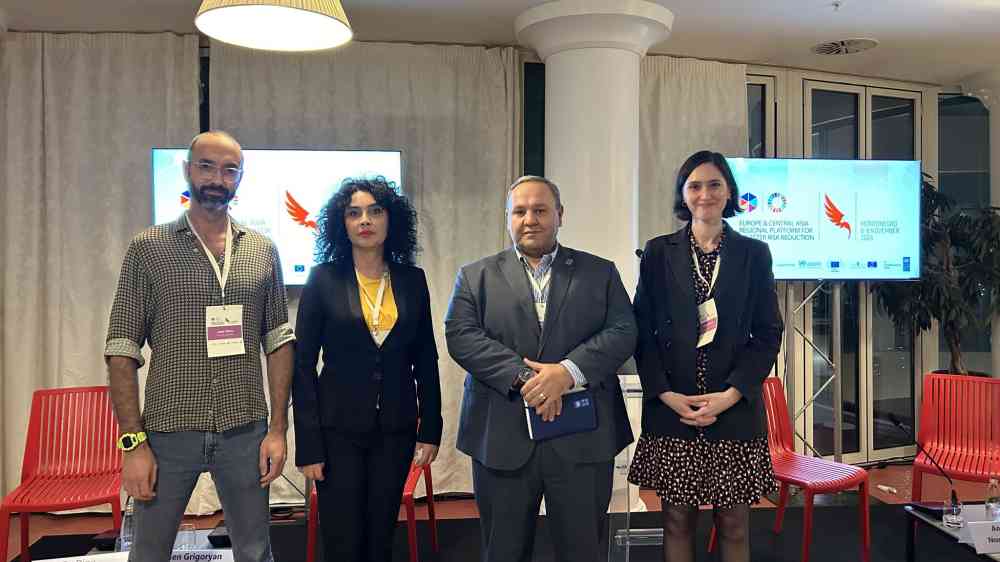
Facilitator and speakers of the MCR2030 Learning Lab session
MCR2030 Learning Lab on Local DRR Actions: This interactive session showcased practical strategies for cities to reduce disaster risks through local action. Participants discussed tools, challenges, and successes in enhancing local resilience, emphasizing the central role of cities in driving DRR goals forward.


Marketplace Booth and Ignite Stage: The Marketplace Booth served as a vibrant hub where Resilience Hubs from Potenza, Amadora, and Matosinhos, along with the Portuguese Network of Resilient Cities, UNDP, and Balkan cities, showcased their DRR initiatives and achievements. This space enabled valuable knowledge exchange and fostered connections among platform participants, reinforcing the value of partnerships and shared expertise.
At the Ignite Stage, Amadora shared a practical example of their experience in developing an inclusive local resilience strategy, highlighting innovative approaches to engage the community and address the diverse needs of its residents. This presentation underscored Amadora's commitment to inclusive and sustainable resilience efforts, inspiring other cities to adopt similar strategies.
Looking Ahead
The EFDRR provided a powerful platform for cities, regional institutions, and international organizations to reinforce their collective commitment to building resilient, inclusive urban environments. The inspiring discussions, exchanges, and hands-on sessions showcased the progress made and the steps ahead in disaster resilience.
About MCR2030:
MCR2030 is a United Nations-led global partnership that has mobilized 1,760 cities in 90 countries and territories covering a combined population of 576 million. In Europe and Central Asia, 13 Resilience Hub cities are actively sharing their knowledge and experience with the MCR2030 network and beyond.